

Creating valuable content is only part of a successful marketing strategy. To improve future campaigns, you need to know which content attracts visitors, which channels drive clicks, and which pieces lead to conversions.
Many teams focus on page views or social media likes, but these numbers only tell part of the story. Without proper tracking, it is difficult to understand how people found your content or which campaigns deserve more investment.
Short links and UTM parameters solve this problem. Together, they give marketers a simple way to track traffic across every channel while keeping links clean and easy to share.
Organize Your Content Before You Measure It
Before you measure performance, you need a clear structure for every piece of content you publish. Businesses that create an online magazine, maintain a company blog, publish newsletters, or share downloadable resources often promote the same content across several channels. Without a consistent system for managing links, comparing results becomes difficult.
A simple approach is to create a dedicated short link for each campaign or distribution channel. Instead of sharing the same long URL everywhere, you can generate separate short links for email, LinkedIn, X, Facebook, QR codes, or guest posts. Each link becomes part of your reporting process.
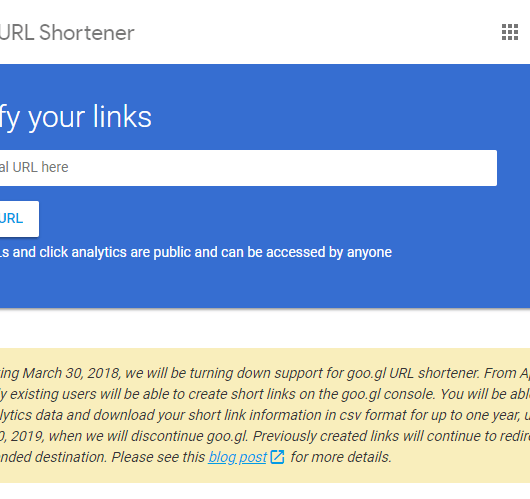
If you’re new to link management, it helps to understand the basics of URL shortening before building your tracking strategy. T2M’s guide on What Is a URL Shortener? explains how short links work and why marketers use them to simplify sharing and improve campaign reporting.
This small step creates cleaner reports and makes it easier to identify which marketing efforts produce the best results.
Combine Short Links with UTM Parameters
Short links become even more useful when you pair them with UTM parameters.
UTM parameters are small tags added to a URL. Analytics platforms such as Google Analytics use these tags to identify where visitors came from.
The most common parameters include:
- utm_source identifies the traffic source, such as LinkedIn or Facebook.
- utm_medium identifies the marketing channel, such as email or social.
- utm_campaign identifies the specific campaign.
- utm_content helps distinguish between different versions of the same campaign.
For example, imagine you promote the same guide through an email newsletter, a LinkedIn post, and a guest article. Each campaign uses a different UTM combination, but all visitors arrive at the same landing page.
When you shorten each tagged URL, you get links that are easy to share while preserving all tracking data. Your analytics platform then shows which source generated the most visits, the longest engagement, or the highest conversion rate.
This approach removes guesswork from campaign reporting and helps you make better decisions based on real data.
Use Branded Short Links to Build Trust
Not all short links look the same.
Generic shortened URLs can appear unfamiliar to readers. Branded short links use your own custom domain, making every shared link look more professional and easier to recognize.
Brand consistency also helps when people see your links across multiple platforms. Whether someone receives an email, scans a QR code, or clicks a social media post, the same branded domain creates a familiar experience.
Many marketers also report stronger click-through rates because users are more likely to trust a recognizable link than a random collection of characters.
If you plan to use branded links regularly, T2M offers a detailed tutorial on How to Link Your Custom Short Domain with T2M, making it easier to connect your own domain to your short URLs.
Branded links also simplify reporting because every campaign follows the same naming structure.
Compare Performance Across Every Marketing Channel
Content rarely lives in one place.
A single article may appear in an email newsletter, on LinkedIn, across social media, inside a PDF, or as a QR code on printed material.
Using separate short links for each channel allows you to compare performance without creating separate landing pages.
For example, you might discover that:
- Email produces the highest conversion rate.
- LinkedIn drives the most qualified visitors.
- QR codes generate steady offline traffic.
- Guest articles attract readers who spend more time on your website.
These insights help you focus future marketing efforts on channels that produce measurable results.
Offline campaigns also benefit from the same tracking process. A QR code linked to a shortened URL lets you measure traffic from brochures, product packaging, conference booths, or retail displays.
If you want to combine QR codes with campaign tracking, T2M’s article on 5 Best URL Shorteners with QR Codes provides useful examples of how marketers connect offline and online engagement.
The goal is simple: every distribution channel should have its own trackable link.
Avoid Common Tracking Mistakes
Even a strong tracking strategy can produce poor data if the process is inconsistent.
One common mistake is using different naming conventions for similar campaigns. For example, “LinkedIn,” “linkedin,” and “LI” may appear as separate traffic sources inside your reports.
Another mistake is reusing the same short link across every marketing channel. If email, social media, and guest posts all use one URL, you lose the ability to compare their performance.
It is also important to document your UTM naming rules. A shared spreadsheet or campaign template helps every team member follow the same system.
Finally, review your reports regularly. Tracking only becomes valuable when you use the data to improve future campaigns.
Turn Data Into Better Content Decisions
Content marketing works best when every campaign teaches you something.
Short links make sharing easier, while UTM parameters show exactly where visitors come from and how they interact with your content. Together, they provide a clear picture of which channels deserve more attention and which campaigns need improvement.
Whether you publish blog posts, newsletters, downloadable resources, or digital magazines, a structured tracking process helps you measure success with confidence.
Instead of relying on assumptions, you can use accurate data to refine your content strategy, improve campaign performance, and make every piece of content work harder.